

Lessons from AICMAR College
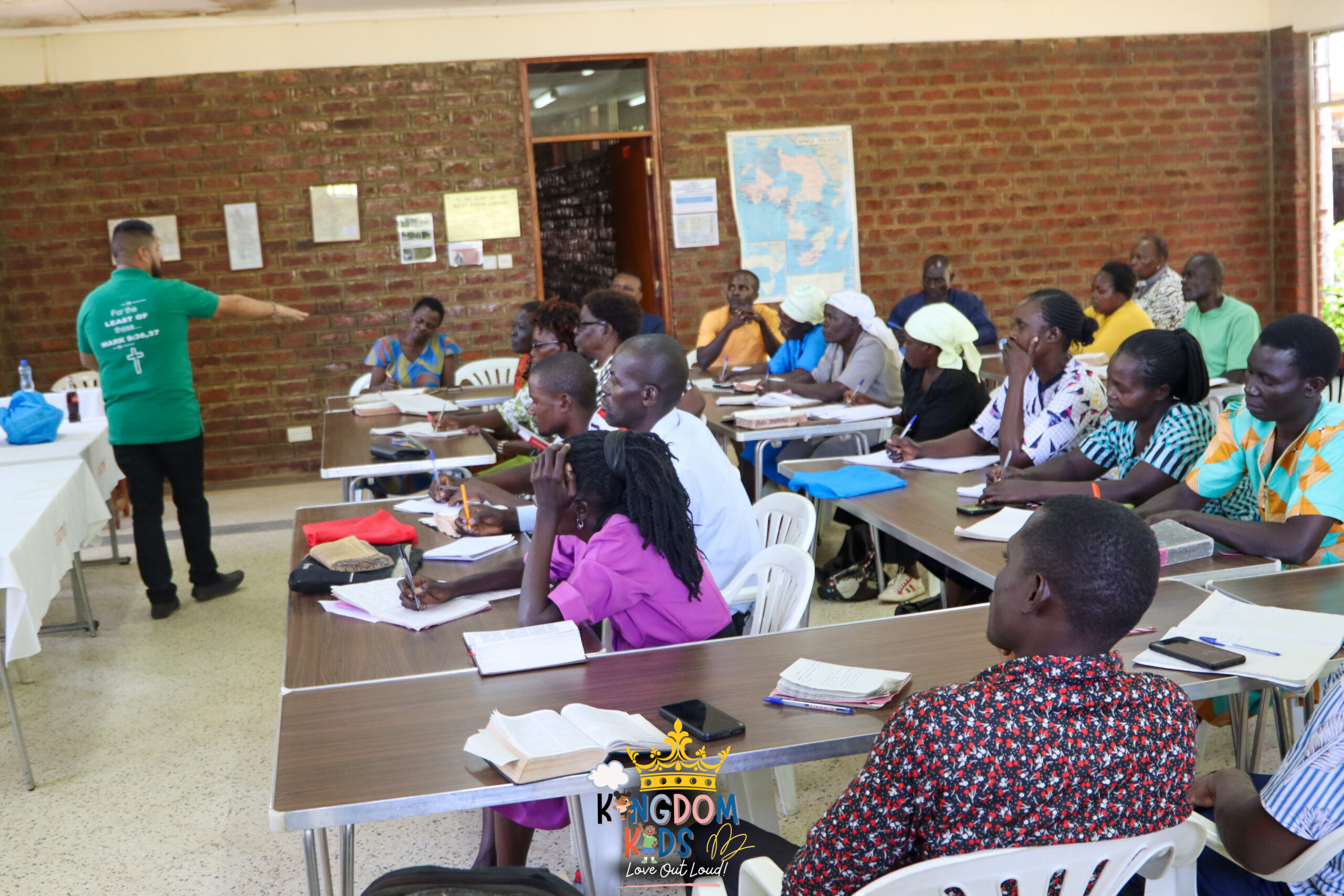
During the January mission outreach, as the team moved from one school to another, a brief but impactful stop was made at AICMAR College. The visit was not part of a detailed, pre-arranged program. Instead, it was a short, approximately 45-minute opportunity granted to address ministers and students present at the institution.
What was initially a simple request to speak turned into a meaningful session that carried both practical instruction and deep spiritual insight. Though unplanned, the teaching addressed core aspects of ministry that remain highly relevant for ministers today.
From a Brief Talk to a Deep Teaching
The session did not follow a rigid structure. It began conversationally, but quickly developed into a focused teaching on ministry, discipleship, and spiritual alignment.
This shift highlights an important reality in ministry:
not all impactful teachings are pre-planned. Some of the most effective moments come through readiness and spiritual sensitivity.
The Foundation: Ministry Must Flow from Experience
One of the strongest messages that emerged was that ministry is not built on knowledge alone.
Ministers were challenged to reflect on whether their teaching comes from:
- Personal experience with God
- Or second-hand understanding
The distinction is significant. Teaching without experience often lacks depth, while teaching rooted in genuine encounter carries clarity and authority.
A Simple but Complete Ministry Model: Reach, Teach, Send
Within the short time, a clear framework of ministry was outlined:
Reach
Connecting with people intentionally and understanding their context.
Teach
Explaining the Word of God clearly and guiding others into truth.
Send
Equipping and releasing individuals to continue the work independently.
This model emphasizes that ministry is not complete until people are empowered to act, not just receive.
Listening: The Overlooked Skill in Ministry
A key practical emphasis was placed on listening. Effective teaching begins with understanding the audience.
Ministers often:
- Speak too quickly
- Assume understanding
- Address issues that are not present
The teaching redirected focus to:
- Listening carefully
- Seeking to understand first
- Responding with relevance
This approach ensures that teaching meets real needs rather than perceived ones.
Handling the Word with Clarity and Structure
Even within the limited time, there was a deliberate focus on how ministers handle Scripture. The Word of God was presented as a complete and purposeful guide for teaching and growth.
Ministers were encouraged to:
- Go beyond surface reading
- Break down Scripture accurately
- Connect related truths
This approach strengthens both the teacher and the listener, creating a more grounded understanding of biblical principles.
Efficiency in Teaching: Knowing When to Move Forward
Another practical insight was the importance of avoiding unnecessary repetition.
When learners demonstrate understanding:
- Continuing to repeat the same point becomes ineffective
- Progress should be made to deeper or connected truths
This keeps teaching dynamic and ensures continuous growth.
The Harmony Principle in Scripture and Ministry
An illustration used during the session compared ministry to music. Just as music requires harmony, so does effective teaching.
This principle applies in two ways:
- Scripture itself is interconnected and consistent
- Ministry must operate with balance and alignment
When teaching lacks harmony, it creates confusion. When it is aligned, it produces clarity and impact.
The Danger of Rushed Ministry
Given the context of moving between locations, the teaching addressed the risks of operating in constant urgency.
Rushed ministry often leads to:
- Disorganization
- Reduced clarity
- Limited impact
Ministers were reminded that effectiveness is not determined by speed, but by intentionality and clarity.
Alignment with the Holy Spirit: The Defining Factor
Despite the spontaneous nature of the session, the central message remained clear:
true effectiveness in ministry comes from alignment with the Holy Spirit.
Structures, methods, and preparation are valuable, but they cannot replace spiritual alignment.
When a minister is aligned:
- Teaching flows naturally
- Timing becomes precise
- The message connects deeply
Conclusion: The Power of Readiness in Ministry
The brief visit to AICMAR College during the January mission demonstrates an important principle:
ministry is not confined to planned platforms.
Even within 45 minutes, without detailed preparation, a teaching can:
- Establish foundational truths
- Challenge ministers
- Provide practical direction
The key requirement is readiness, clarity, and alignment with God.
For ministers and leaders, this serves as a reminder that every opportunity, planned or unplanned, carries the potential for lasting impact.


Hi, this is a comment.
To get started with moderating, editing, and deleting comments, please visit the Comments screen in the dashboard.
Commenter avatars come from Gravatar.