
Treeside Secondary School for the Deaf, Nairobi
Introduction: A Meaningful Visit
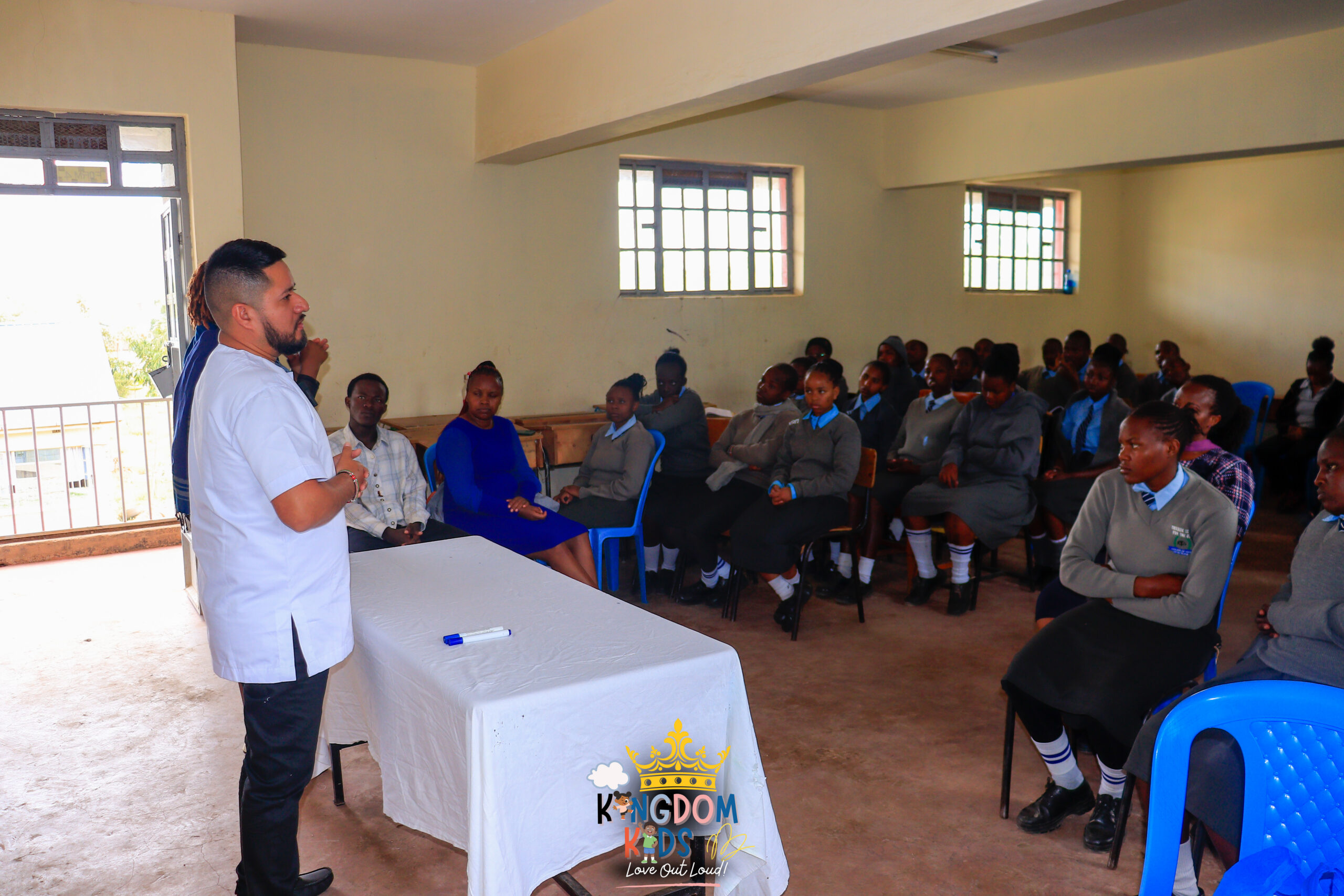
During a mission outreach in Nairobi, a visit to Treeside Secondary School for the Deaf, Nairobi became more than just a scheduled stop. It opened a space for connection, reflection, and a message that spoke directly to the identity and potential of the students present. What stood out immediately was the atmosphere within the school. There was a visible sense of order, respect, and discipline, reflected not only in the students but also in the teachers and the structure around them.
The hospitality was notable, but more importantly, it pointed to something deeper. It revealed a culture built on values that are often overlooked today. Manners, punctuality, responsibility, discipline, integrity, and honesty were not just spoken ideals within the school; they were evident in practice. These qualities, though sometimes dismissed by society as ordinary or outdated, remain essential foundations for a meaningful and successful life. The students were encouraged to recognize this and to take pride in the environment shaped by their teachers, parents, and spiritual leaders.
As the teaching unfolded, the focus shifted from environment to identity. A simple but direct question was posed, inviting the students to consider not just who they are, but whose they are. In that moment, the emphasis moved beyond labels, backgrounds, and physical conditions. The message became clear: identity is not defined by limitation. No matter where one comes from, and regardless of any disability, purpose remains intact.
This truth was anchored in the message of Psalms 139, where it is written that every individual is fearfully and wonderfully made. The implication of this is significant. If God is intentional in creation, then there are no accidents in design. What the world may perceive as weakness or disadvantage may, in reality, carry a deeper value that is not immediately visible. Disabilities, challenges, and limitations often appear as obstacles, but they can also function as opportunities in disguise. They may come in the form of crisis, lack, or need, yet within them lies the potential for growth, strength, and distinction.
The teaching pressed further into this idea, encouraging a shift in perspective. Instead of asking how to escape problems, the students were guided to consider how their thinking could be transformed to produce solutions. This change in mindset moves a person from being overwhelmed by circumstances to becoming active in overcoming them. It builds resilience and cultivates a sense of responsibility over one’s own growth.
Within this context, the abilities of the students themselves were highlighted. Their mode of communication, often misunderstood or undervalued by the outside world, was presented as a unique and powerful asset. It is a skill not everyone possesses, and one that carries both social and economic value. What might be labeled as a limitation in one context becomes a strength in another. This realization reframes the entire narrative around disability, turning it from a perceived disadvantage into a distinct advantage.
As the message progressed, attention turned to the idea of success. Many grow up associating success with material achievements such as wealth, property, or status. However, a different definition was introduced. True success is not found in external accumulation, but in living out the life that one was designed for. That design, it was emphasized, originates from God. When one seeks Him, direction becomes clearer, and life begins to align with purpose rather than confusion.
This understanding also brings stability to the mind. In moments of doubt or discouragement, the truth of being fearfully and wonderfully made serves as a form of reinforcement. It becomes something to return to repeatedly, a reminder that guards against negative thinking and helps maintain clarity and confidence. The mind, when grounded in truth, becomes stronger and more resilient against the pressures of circumstance.
The session closed with a moment of prayer, not as a formality, but as a sincere expression of gratitude and hope for every student and teacher present:
Father, I thank You for this day. I thank You for the lives of these students and for the teachers who guide them. I thank You for the opportunity to share this moment with them.
Lord, even in this short time, I pray that something meaningful has been planted in their hearts. Stir within them a desire to seek You, to know You, and to understand the purpose You have placed in their lives.
I pray that they would come to realize that Your plans for them are good—plans that bring life, peace, fulfillment, and true success. Strengthen them to walk in discipline, integrity, and confidence in who they are.
May they grow not only in knowledge but also in understanding, and may they use their gifts and abilities to influence others positively. Surround them with wisdom through their teachers and parents, and guide them in every step they take.
Above all, help them to know You personally, to walk closely with You, and to live out the life You have already designed for them.
In Jesus’ name, Amen.
What remained after the session was not just a series of words, but a shift in perspective. The message affirmed that value is not diminished by limitation, that purpose is not cancelled by circumstance, and that true success is found in understanding and living out one’s design.